Does a Home EV Charger Require a Panel Upgrade in Buffalo?
Not automatically. An electrician must evaluate your home's actual available service capacity, existing electrical equipment and charging needs. The right project may involve a dedicated charging circuit, a lower-power charger, suitable load management, or a panel and service upgrade. Empty breaker spaces alone do not establish electrical capacity.
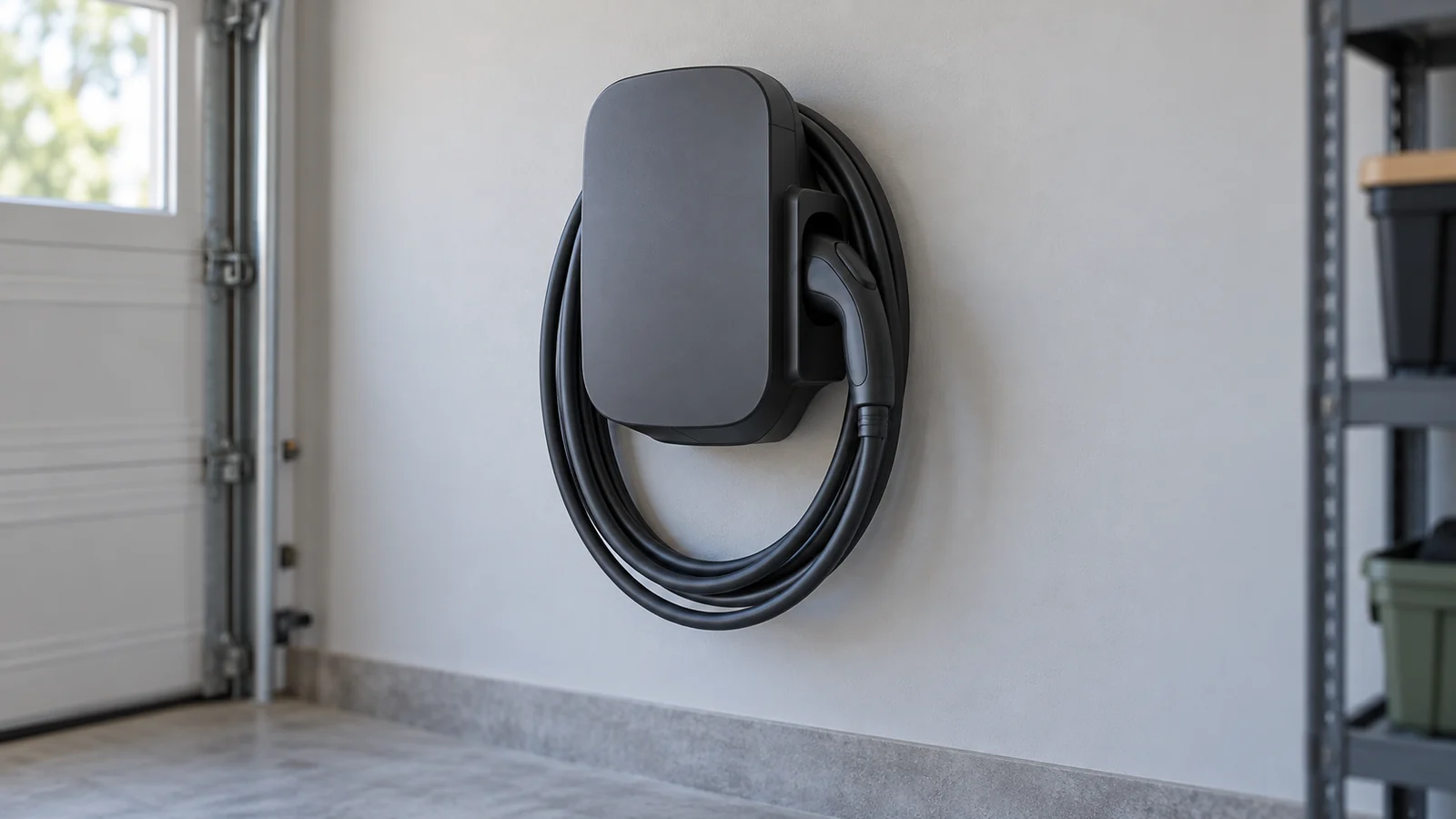
Start with an electrical assessment
EPA recommends a load calculation to determine whether the existing electrical system can accommodate EV charging or needs upgrades. That assessment should come before choosing the largest charger or assuming an upgrade is necessary. The EPA home charging guidance also discusses lower-power charging and load management as options to consider.
Before buying equipment, ask for an assessment built around your vehicle, parking location and household loads. The useful question is: “What charging setup will meet my routine within this home's electrical limits?”
A dedicated circuit, panel replacement and service upgrade solve different problems
A dedicated charging circuit supplies the charging equipment separately from other household loads. Adding that circuit does not itself increase the home's electrical service capacity. A panel replacement changes the equipment distributing power; a service upgrade increases the capacity available to the home and may involve utility work. PNNL notes that a panel upgrade can also trigger a utility service upgrade. PNNL single-family charging guide.
Ask an estimate to distinguish those scopes. If it includes an upgrade, request an explanation of the limiting factor: available capacity, the existing equipment, or both. Agro Electric's page on panel and service upgrades describes that separate service category.
Empty breaker spaces do not prove there is capacity
Physical room and electrical capacity are separate checks. A panel may have space for another breaker while the home's electrical loads leave insufficient capacity for the proposed charger. PNNL's guidance addresses both space and capacity, and calls for professional assessment before a hardwired installation. PNNL single-family charging guide.
Treat an empty position as a detail to discuss, not approval to proceed. Likewise, a service rating alone cannot answer the question without considering household demand. Leave equipment identification and assessment to the electrician; you do not need to open a panel or handle wiring to prepare for an estimate.
Compare charging needs before choosing the largest charger
EPA advises choosing charging power around driving habits and the home. Lower-power charging may be sufficient, depending on how much driving you need to replenish and how long the vehicle stays parked. Tell the electrician your usual mileage and charging window before settling on equipment. EPA home charging guidance.
For example, someone whose car stays home overnight has a different planning question from someone who needs to recharge between trips. These are hypothetical planning examples, not predictions of charging performance. Ask what each proposed option would deliver for your specific vehicle and schedule, including any important seasonal differences.
If you are still choosing equipment, use the home EV charger installation page as the service reference when discussing the project.
Load management may help when compatible equipment supports it
Some systems adjust charging as household electrical demand changes. For a concrete manufacturer example, Tesla describes Dynamic Power Management using an approved meter to monitor available power and adjust a compatible Wall Connector's charging rate. Charging slows when other household loads rise. This is an equipment-specific capability, not a feature to assume every charger has. Tesla power management guidance.
Ask the electrician whether a suitable system can support your installation, what equipment it requires, and whether reduced charging during busy household periods would still meet your needs. Ask how the proposed system responds if monitoring or communication fails. A charging timer alone should not be assumed to provide the monitored control described by the manufacturer.
Compare the professionally assessed options: a circuit using available capacity, a lower charging output, compatible load management, or an upgrade. This comparison is a planning framework synthesized from the sources, not a finding about your particular home.
Gather this information before requesting an estimate
You can prepare a useful project description without opening electrical equipment. Gather:
- Vehicle make, model and year, or the vehicles you are considering; include a charger model or product link if you have one.
- Typical daily driving, occasional longer days, arrival and departure times, and whether another EV is planned.
- Where you park, the vehicle's charging-port location, and whether the proposed charger would be indoors or outdoors.
- Ordinary photos of the parking area, proposed mounting location and closed electrical equipment, taken only from safely accessible positions.
- A list of major electrical equipment, such as electric heating, air conditioning, cooking, water heating, a dryer, or pool and spa equipment. Note planned additions too.
- Existing electrical records, previous upgrade paperwork and any known problems. Let the electrician identify ratings or details that are unavailable.
Ask the written proposal to identify the charging output, supporting electrical work, any load-management equipment, and who will confirm applicable permits, inspections and utility coordination. For an outdoor location, ask how the equipment's environmental rating and cable storage suit the setting.
Start with a project conversation
Agro Electric provides EV charger installations and panel and service upgrades in Buffalo and Western New York. To discuss your planned vehicle or charger, parking location and household electrical loads, request an estimate or call (716) 818-0275. Bring the project details above so the conversation can focus on which assessment and scope your home needs.
Related services & guides
About this guide
Prepared with AI assistance using the official sources below. This is general project-planning information; an electrician needs to assess your property.